
Japan and Korea Cruise

Discover the delights of Japan, and Busan in Korea, on this fabulous 5 star cruise onboard Sapphire Princess.
What’s Included
- Flight from Dublin to Tokyo
- Return Transfers from airport to port
- 11 nights onboard the 5* Sapphire Princess based on 2 sharing
- Superb dining on a full board basis while on board
- Entertainment onboard
- Return transfer from port to airport
- Flight from Tokyo to Dublin
- Taxes, charges and 23kg check-in bag per person
Upgrade Options
Princess Premier: Get the Premier Beverage Package, multi-device Wi-Fi, Gratuities, 2 nights Speciality Dining, Princess Prizes, and Photo Package Included. Just €90 per day (worth $156 per day).
Princess Plus: Get the Plus Beverage Package, Wi-Fi, two premium crafted desserts, two smoothies or juices, plus two fitness classes, and Gratuities Included. For just €58 per day (worth $95 per day).


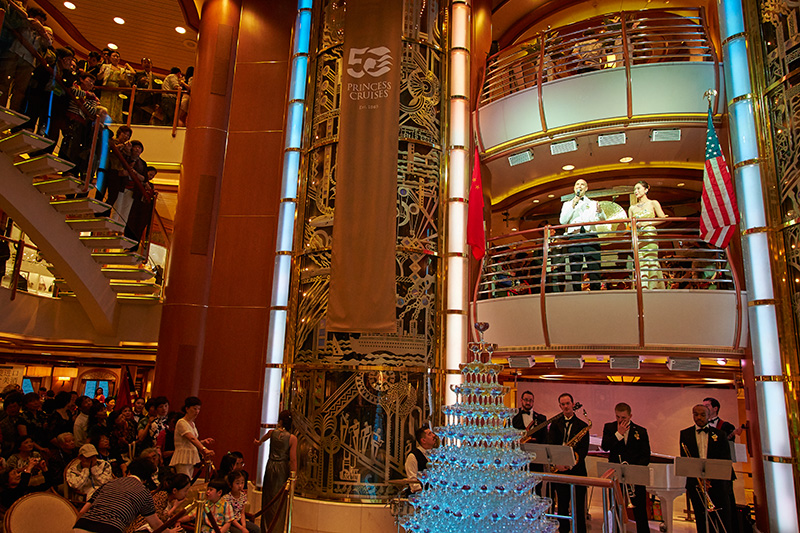
Sapphire Princess
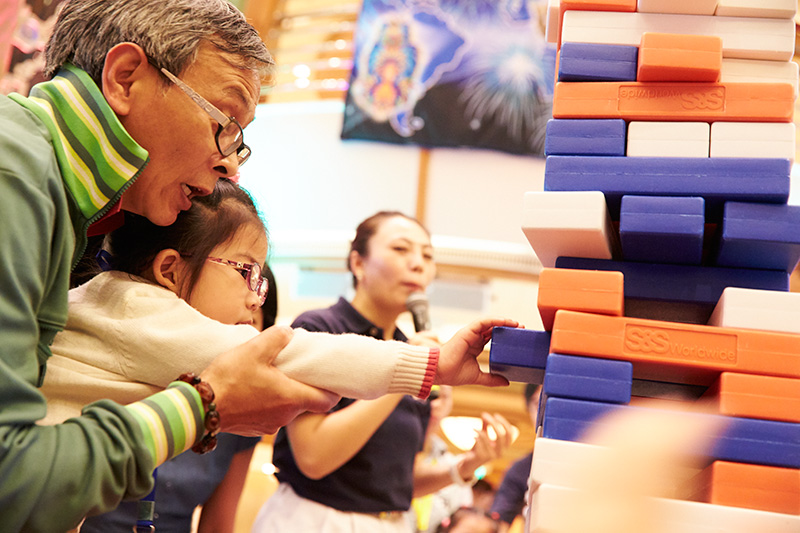
As you set your sights on the wonders of the world, let Sapphire Princess indulge your every whim. Over 700 balconies, world-class gourmet dining and dazzling entertainment options are just the beginning of your sea-going adventure. Dance the night away, enjoy casino gaming or relax and rejuvenate body and mind at the Lotus Spa®.
- Last Refurbished: February 2012
- Guest Capacity: 2,670 lower berths
- Number of Crew: 1,100
- Tonnage: 115,875
Princess Cruises

Agent

Booking Remarks
Prices are per person based on two sharingInclusive of taxes and service charges as indicated
Non-refundable deposit of 15% per person unless otherwise stated. Balance due 16 weeks prior to departure
Optional Insurance available (call for details)
Child and family prices available on request
These prices are guidelines only and are subject to change and availability. Pricing will be confirmed at time of booking.
Itinerary
Tokyo, Japan
Depart from Dublin for your overnight flight to Tokyo. On arrive you will be transferred to the port for boarding.
At Sea
Aomori, Japan
From fiery festivals to spectacular mountain scenery, soaring temples to castles surrounded by cherry blossom blooms, Aomori is one of Japan’s most enchanting destinations. Framed by dark peaks clad with dense forestry, the city enjoys a picturesque location on Japan’s main island Honshu. While there are gorgeous pink tinted parks, tiered castles and towering Buddha statues to explore, the Aomori Prefecture’s capital is perhaps best known for the summer festival of fire that lights it up each year. Lavish illuminated floats fill the streets during Nebuta Matsuri festival, as dancing locals wave flickering lanterns through the night sky – and drummers pound out pulsating rhythms. Nebuta Matsuri has a euphoric and energetic atmosphere which makes it stand out as an unmissable experience compared with some of Japan’s more restrained festivals. At other times of the year, places like the stunning Hirosaki Castle bloom with rose-pink cherry blossom, as spring’s sunshine clears away winter’s plentiful snowfall. The castle’s moat, glowing with the pale hue of fallen blossom, is a truly mesmerising sight to behold. Don’t worry if you’re too late though, you might be able to catch the pink-flush of the apple blossom – which comes slightly later. Extraordinary prehistoric Jomon period history is waiting to be unearthed at the living archaeological site, Sannai-Maruyama Ruins. Or, the untouched wilderness of UNESCO World Heritage Site Shirakami Sanchi is within reach. This sprawling mass of beech trees covers a third of the Shirakami mountain range, and the dense forestry once blanketed the majority of northern Japan’s land. Visit to scratch the surface of this untamed landscape’s beauty and see sprawling waterfalls cascading down mountainsides, in a beautiful off-bounds landscape, where black bears roam freely.
Muroran, Japan
Muroran is a must-see destination, offering stunning coastal scenery, dramatic cliffs and easy access to Hokkaido’s natural beauty. From the iconic Cape Chikyu Observatory to serene parks and cultural landmarks, it’s a stop packed with unforgettable views and experiences.
Hakodate (Hokkaido), Japan
Gaze down over Hakodate, from the heights of its namesake peak – Mount Hakodate – to see the city stretching out spectacularly, with back-to-back twin bays splitting the ocean. Hakodate port was one of the first to open Japan up to the world, and to international trade in 1859 – a fact reflected in the architecture, with its influences from the West and beyond. The port area is a redbrick wash of warehouses turned shopping malls, all observed by the onion domes of the city’s Russian Orthodox church. Elsewhere, the star-shaped Goryokaku fortress glows with natural colours and a beautiful haze of cherry blossom during the season. Goryokaku Tower, which rises up beside it, offers a sweeping bird’s eye view of the green fortress and mountain backdrop. Buses trundle up the 335-metre incline to the top of Mount Hakodate, but the best way to reach the views is to jump on the ropeway, which swings high above downtown’s buildings, over a carpet of pine trees. Head up to the mountain’s heights as sunset approaches. With darkness sweeping in, and the lights flickering to life, the panorama is one of Japan’s most spectacular. Soak it all in, and look out to the horizon, dotted with the shimmering lights of ships hauling in harvests of the city’s renowned squid. The plankton-rich waters attract a delicious variety of feasting sea life to Hakodate’s coast, which is then plated up in the city’s numerous, skilled restaurants. For an eye-opening, whirring morning, see the freshest produce being doled out at Hakodate Morning Market – amid a cacophony of noise and activity.
At Sea
Sakaiminato, Japan
Wedged between sea, sky and mountains, this small fishing port has been esteemed for centuries for its superb seafood. Here, the Sea of Japan yields up both crab and hon-maguro, the prized Bluefin tuna esteemed by gourmets around the world. Sakaiminato is also your gateway to a very ancient region of Honshu. West of the city lies Izumo-taisha, one of the oldest and holiest shrines in Shinto. This area is dotted with burial mounds from Japan’s Bronze Age. The town of Matsue boasts the celebrated “Black Castle,” a six-story, black-walled castle that home to a clan of the mighty Tokugawa dynasty that ruled Japan for over 250 years. And to the east rises the great snow-capped summit of Mt. Daisen, considered one of the four most scenic mountains in all Japan.
Also a common sight ashore are the Yokai – approximately 100 bronze statues of supernatural characters as imagined by famed manga comic author Shigeru Mizuki, who was born in Sakaiminato. The Yokai have become synonymous with the town and delight visitors at every turn.
Busan, Korea
The second largest city in South Korea, Busan is your gateway to a fascinating land whose culture is a unique amalgam of old and new. Modern high-rise towers dwarf ancient Buddhist temples. The city’s bustling business district offers a stark contrast to the serene grounds of Yongdusan Park. In short, Busan is a microcosm of South Korea, a nation whose startling economic success often obscures one of Asia’s most sophisticated and venerable cultures.
Busan was the scene of bitter fighting during the Korean War. The United Nations Memorial Cemetery marks the final resting place for the troops from 16 nations who gave their lives during the conflict.
Nagasaki, Japan
For most travelers, Nagasaki is a symbol of the horror and the inhumanity of war. An estimated 75,000 people perished in 1945 when the city became the second target of a nuclear attack. Today, Nagasaki’s Peace Park and Atomic Bomb Museum draw visitors from around the world.
But this beautiful city on Kyushu offers other sights. Often described as the San Francisco of Japan, the city occupies verdant hills surrounded by a deep-water bay. For three centuries, Nagasaki was Japan’s sole window on the world. The city is also celebrated as the setting for Puccini’s opera “Madame Butterfly.”
Kagoshima, Japan
From the 12th century to the Meiji Restoration of 1868, Kagoshima was the chief stronghold of the mighty Shimazu clan. The city lies at the top of the Satsuma Peninsula, a mountainous, geothermal wonderland of hot springs and geysers. The area is also rich in modern Japanese history: Saigo Takamori and the Satsuma samurai were leaders of the Meiji Restoration that toppled the shogun and restored the Emperor to power in 1868. In 1877, dissatisfied with the direction of the new government, Saigo led the Satsuma Rebellion, which ended in his death and the final defeat of the samurai.
The symbol of Kagoshima is Sakura Jima – the volcanic island that sits just offshore. The volcano has erupted over 30 times in recorded history.
At Sea
Tokyo, Japan
After disembarking transfer to the airport for your return flight.
You can add pre or post cruise nights, just ask for more details.